GAS FITTING
West Auckland LPG Gas Fitting
Plan an LPG setup around your appliances, outdoor cylinder space and delivery access. Discuss a new bottled-gas installation or changes to an existing supply in West Auckland.
LET'S UNDERSTAND YOUR SPACE
LPG Gas Fitting in West Auckland
Plan an LPG setup around your appliances, outdoor cylinder space and delivery access. Discuss a new bottled-gas installation or changes to an existing supply in West Auckland.
Explore West Auckland LPG Gas Fitting for our plumbing services, local coverage and enquiry details.
Describe what needs attention
Share your suburb and preferred timing
Establish the scope before the work
LPG Gas Fitting
Bottled gas for properties beyond the mains
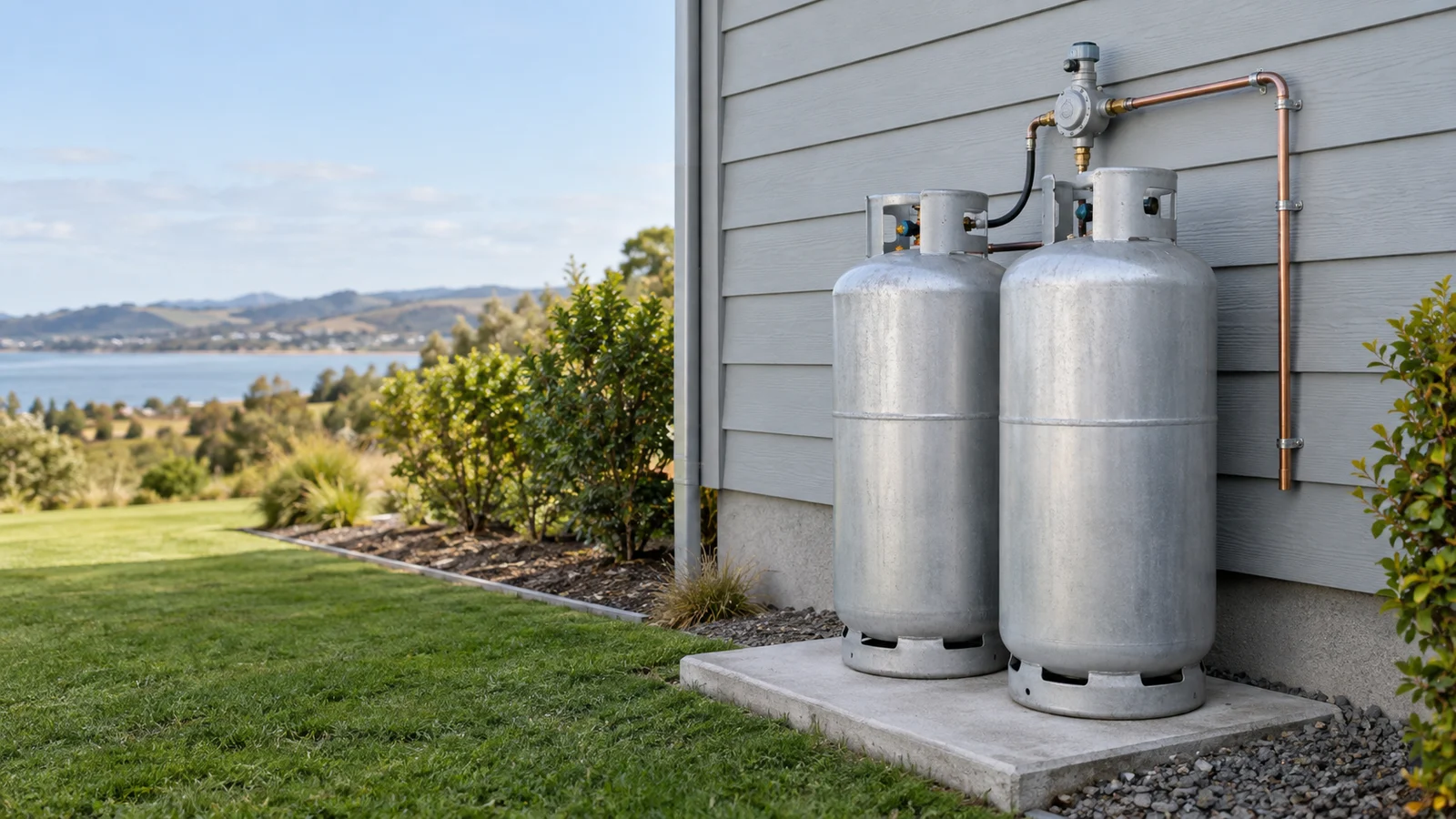
LPG gives a property a stored fuel supply rather than a connection to a street gas main. Start with the appliances you want to run and whether the home already has cylinders, a regulator and fixed pipework.
A cooking-only installation has different demands from a household using gas for both cooking and hot water. A site assessment brings those requirements together before equipment is selected.

LPG Gas Fitting
Find a practical outdoor cylinder position
A convenient corner is not automatically a suitable cylinder location. Doors, windows, nearby equipment, changes in ground level and the surrounding building layout all need consideration.
Send an overview of the proposed outdoor area if it is safe to do so. The gasfitter can assess the position and identify any changes needed before installation is arranged.
LPG Gas Fitting
Allow room for cylinder delivery and exchange
Think about the route from the driveway to the cylinder position. Narrow gates, stairs, steep paths and locked access can affect how the supplier services the property.
Confirm delivery requirements with your LPG supplier. Landscaping and future fences should be considered at the planning stage so the installation remains accessible.
LPG Gas Fitting
Match the regulator and supply to appliance demand
The cylinder arrangement, regulator and downstream pipework need to suit the connected equipment. Adding a continuous-flow water heater may change the demand on a setup previously used only for cooking.
Provide appliance model numbers and note which appliances may operate together. Equipment selection should follow that assessment rather than simply reusing whatever is already on site.
LPG Gas Fitting
Check LPG compatibility before buying
An appliance intended for natural gas should not be assumed to work with LPG. Its documentation needs to identify the correct gas type and any manufacturer-supported conversion requirements.
Share the product details before purchase where possible. This can identify an unsuitable appliance early and help separate appliance work from changes to the cylinder installation.
LPG Gas Fitting
Separate installation costs from ongoing supply
A quote may include cylinder-position preparation, regulator equipment, pipework, appliance connection and commissioning. Delivery charges and cylinder arrangements are matters to confirm with the supplier.
Ask which items are supplied by the gasfitter and which are organised separately. Clear responsibility for each item makes it easier to compare installation proposals.
LPG Gas Fitting
Keep the cylinder area usable after handover
Retain installation records and the operating information supplied with the equipment. Ask how the arrangement should be used and who to contact about deliveries or an interruption to supply.
Keep access available and discuss later building alterations before enclosing or changing the cylinder area. Future gas appliances should be assessed against the existing installation.
Use an appropriately licensed gasfitter for gasfitting work. Check the PGDB register.
COMMON QUESTIONS
Frequently Asked Questions
Can LPG be considered without a street gas main?
Yes. LPG uses a separate stored supply, subject to a suitable installation location, appliance compatibility and delivery arrangements.
Should I order cylinders before a site visit?
Confirm the proposed cylinder arrangement and supplier responsibilities first. The appropriate setup depends on the property and connected equipment.
Can an existing natural-gas cooker be reused?
That depends on the model and the manufacturer’s provisions. Have compatibility assessed before assuming a conversion is possible.
